The past year brought no shortage of challenges for independent veterinary clinics. Corporate consolidation continued reshaping the competitive landscape. Staff turnover remained stubbornly high. Equipment kept breaking at the worst possible times. And through it all, independent clinics had to find ways to deliver excellent care while managing tighter budgets than their corporate-backed competitors.
AIV-Vet published 18 blogs in 2025 addressing these realities head-on. We covered everything from IV pump maintenance failures to the growing feline healthcare market to what actually works when you're trying to keep experienced techs from leaving. Based on reader engagement and feedback from clinic owners and veterinary professionals across the country, these five blogs resonated most with independent practices trying to navigate a complicated year.
1. You're not the biggest fish in the pond and that's ok
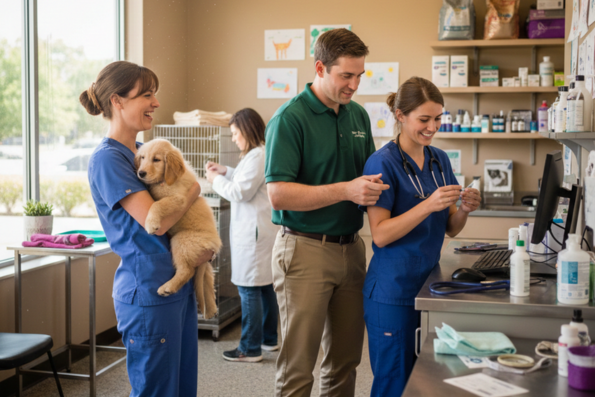
Image courtesy of Envato
This blog hit home because it addressed what every independent owner already knew but didn't always know how to handle - Mars Veterinary Health operates over 3,000 hospitals worldwide, and corporate chains control 50% of veterinary revenues despite owning just 25% of practices. The numbers sound scary until you look at what actually matters.
The piece broke down how independent practices that stopped trying to compete like mini-corporate-chains started winning on their own terms. Smart independents joined buying groups to get volume discounts similar to corporate chains. They standardized equipment to cut training time from two weeks to three days. They tracked what actually mattered - minutes per appointment, technician utilization rates, equipment downtime costs - instead of drowning in meaningless metrics.
What made this particularly useful was the section on using equipment quality as a retention tool. With 23.4% technician turnover, one practice advertised their equipment quality in job postings and dropped turnover from 35% to under 15%. Good equipment tells staff you respect their work, and it costs less than constantly replacing employees.
The blog gave independent owners permission to stop apologizing for being small and start leveraging what makes them different - relationships, flexibility, and the ability to make decisions without corporate approval processes.
Read the full blog: https://www.aiv-vet.com/blog/news-4/youre-not-the-biggest-fish-in-the-pond-and-thats-ok-517
2. How to capitalize on the feline healthcare boom
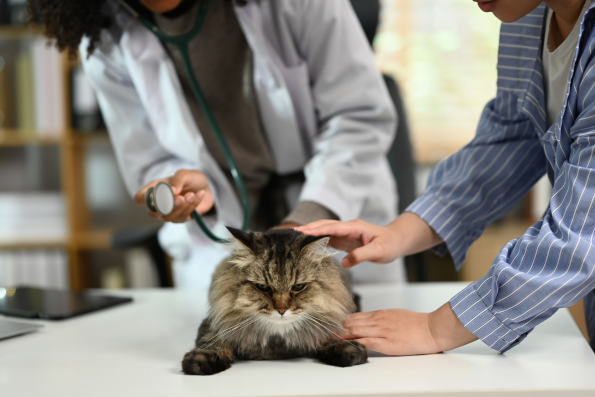
Image courtesy of Envato
While everyone panicked about declining veterinary visits overall (down 2.3% according to Vetsource), feline visits kept climbing. This blog explained why independent clinics were actually better positioned than corporate chains to capture this growing $43 billion market segment.
Cat owners don't always want what corporate chains offer. They want quieter environments, more personalized attention, and veterinarians who understand their specific concerns about getting stressed cats to appointments.
The piece provides practical, budget-conscious changes independent clinics could implement immediately. Separate waiting areas didn't require construction - just smarter scheduling. Staff training on cat-specific handling protocols mattered more than facility upgrades. Equipment that could handle the precision requirements of smaller feline patients paid for itself in efficiency gains.
What resonated most was the business case. With 46.5 million cat-owning households representing an underserved market, independent practices that captured even a modest increase in feline clients saw measurable revenue growth. The blog showed exactly how to audit your current cat versus dog numbers, what percentage you should be targeting, and how to fix your marketing if you were inadvertently telling cat owners you weren't for them.
Read the full blog: https://www.aiv-vet.com/blog/news-4/how-to-capitalize-on-the-feline-healthcare-boom-513
3. Federal veterinary layoffs

Image courtesy of Envato
In April, more than 140 veterinarians and staff at the FDA's Center for Veterinary Medicine were laid off. Three months later, when this blog published in July, independent practices were starting to see the effects - and they needed to know what was coming.
The blog is about the practical reality that fewer federal veterinarians meant longer drug approval times, slower responses on regulatory questions, weaker pet food oversight, and gaps in disease surveillance. For independent practices without corporate resources to absorb these disruptions, preparation mattered.
The blog provided actionable steps independent owners could take immediately.
Download essential FDA guidance documents now, before the digital infrastructure deteriorates.
Build relationships with multiple suppliers instead of relying on single sources.
Connect with your state veterinarian's office because they were becoming your primary resource.
Create local veterinary networks to share information about drug shortages and disease patterns.
Independent owners appreciated the honest assessment of both risks and opportunities. As federal resources shrank, demand for local veterinary expertise was shifting. Practices that positioned themselves as trusted local sources for biosecurity guidance, pet food safety information, and preventive care programs found new revenue streams corporate chains couldn't easily replicate.
The piece gave independent clinics the specific action plan they needed to navigate a changing regulatory landscape without corporate government affairs departments backing them up.
Read the full blog: https://www.aiv-vet.com/blog/news-4/federal-veterinary-layoffs-512
4. Key findings from our 2025 survey of veterinary clinics that use IV pumps
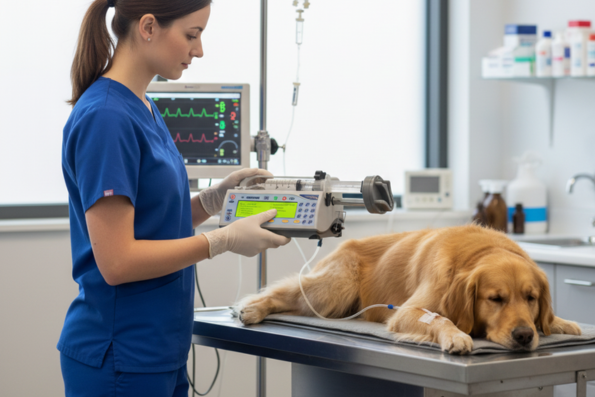
Image courtesy of Envato
AIV-Vet surveyed over 100 veterinary clinics about their IV pump usage, and the data gave independent practices something they desperately needed - hard numbers to justify equipment decisions to themselves and their staff.
The survey revealed that 97% of vets experienced recurring problems with their pumps. Equipment malfunctions directly impacted client satisfaction and clinic reputation for 81% of respondents. Managing multiple patients on fluids created significant workflow challenges for 60% of practices. These weren't just frustrations - they were quantifiable business problems with measurable costs.
For independent clinics operating on tight margins, the data around equipment downtime proved particularly valuable.
Practices reported an average of 3.2 equipment failures per pump annually,
Each incident costing $150-$400 in lost productivity.
For a three-pump practice, that's potentially $3,600 per year disappearing into equipment problems.
What made this blog essential reading was that it validated what independent owners already suspected but couldn't always prove - equipment reliability directly affects staff retention, client trust, and practice revenue. The survey data gave them the ammunition needed to justify preventive maintenance programs and patient-ready refurbished equipment purchases.
Independent practices used this data in staff meetings, budget discussions, and strategic planning. Having industry-wide statistics from peers facing similar challenges made equipment decisions less about gut feelings and more about sound business strategy.
Read the full blog: https://www.aiv-vet.com/blog/news-4/key-findings-from-our-2025-survey-of-veterinary-clinics-that-use-iv-pumps-498
5. How to fund equipment that will reduce your burnout - a revenue-first approach for career-focused vet techs
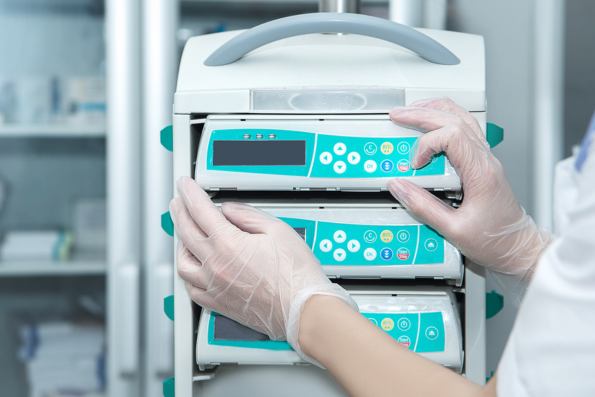
Image courtesy of Envato
This blog flipped the equipment conversation on its head. Instead of asking "how can we afford this," it asked "what revenue opportunities would this equipment unlock" - and it gave independent practice staff the framework to have that conversation with their managers.
The piece was written specifically for vet techs working in practices that kept saying "we can't afford that right now" when equipment upgrades came up. It showed techs how to document referred cases (money walking out the door), declined services (invisible revenue drain), and overtime costs from equipment inefficiency. Then it connected those losses directly to equipment solutions.
For independent practices where every team member's voice matters more than in corporate settings, this approach worked. A tech who could show that automating fluid monitoring would free up two hours daily - and that those two hours could become 12-24 billable tele-triage calls at $25/month per enrolled pet - suddenly had a $45,000 annual revenue case for equipment investment.
Independent owners appreciated this blog because it empowered their staff to think strategically about practice growth while also addressing their legitimate equipment frustrations. It turned "we need better pumps" into "here's how better pumps pay for themselves and generate new revenue streams."
The framework worked precisely because independent practices can move faster than corporate chains. When a tech presents a solid business case to an independent owner on Monday, equipment can be ordered by Friday. Try that at a corporate practice.
Read the full blog: https://www.aiv-vet.com/blog/news-4/how-to-fund-equipment-that-will-reduce-your-burnout-a-revenue-first-approach-for-career-focused-vet-techs-496
Help shape the 2026 veterinary industry survey
The data we used to inform these blogs came largely from AIV-Vet's 2025 industry survey, which drew responses from more than 100 veterinary clinics across the United States.
We're conducting our second annual survey in 2026, and we need your voice. The 2025 survey response showed there's strong demand in the veterinary industry for independent research that helps practice owners, veterinarians, and vet techs do their jobs better, more efficiently, and more cost-consciously. Research that isn't locked behind paywalls or shaped by corporate interests.
Whether you run an independent practice, work as a veterinarian or vet tech, or manage operations at a clinic, your experience matters. The challenges you face daily, the equipment problems you deal with, the staffing issues you navigate, the competitive pressures you handle - these are the realities that shape our industry's future.
Add your voice to the chorus of veterinary professionals working to help families and their animals live healthier lives together. Reach out to participate in the 2026 AIV-Vet industry survey. Your insights will help shape next year's most valuable content for the independent veterinary community.