Companion animal practices deal with finicky sensors and software alarms. Large animal practices deal with pumps that got kicked across a stall, sat in a cattle barn breathing dust all week, or took a hit from a 1,200-pound patient leaning into the tubing.
Same equipment. Completely different failure profile. And it doesn't respond to the same maintenance and repair approach.
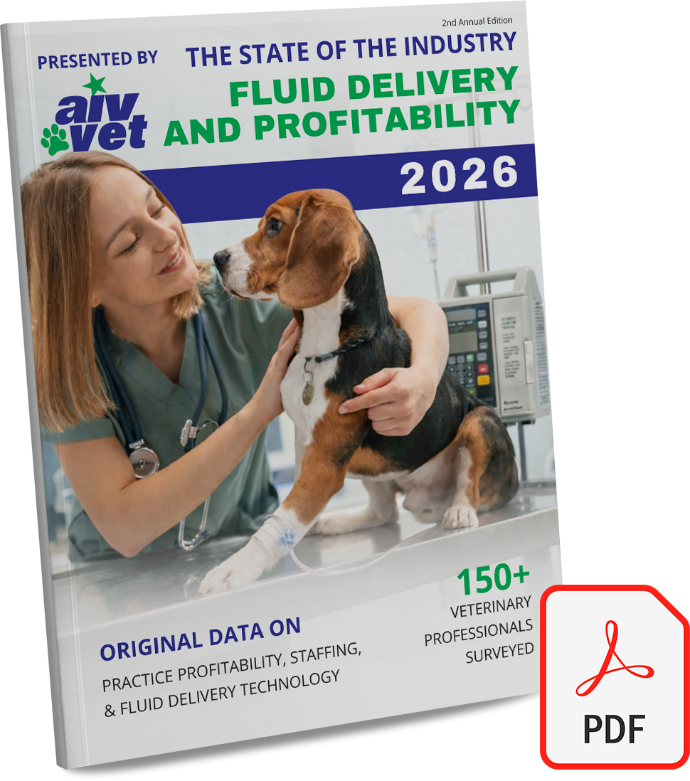
This blog covers one section of our 2026 Veterinary IV Pump Survey. The full report includes data on equipment spending, staffing costs, fluid therapy trends, and business sustainability across 114+ practices, including 49 large animal practices.
Here's what our survey found
Issue | % who ranked in top 3 |
General wear and tear | 63% |
Dust and debris in the mechanism | 53% |
Physical damage from animal contact | 49% |
Extended run times | 41% |
Power and battery limitations | 39% |
High flow rate demands | 35% |
Inadequate mounting options | 27% |
User error with settings | 18% |
The top three are environmental. User error sits at 18%, the lowest category on the list. These practitioners know their equipment. The equipment just can't keep up with them.
For comparison, 69% of companion animal practices experience pump alarms or errors at least weekly.
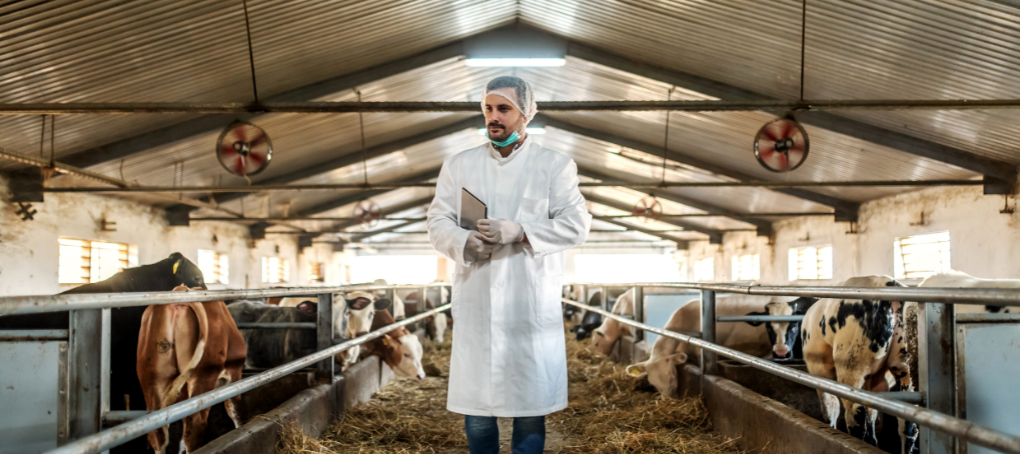
Image courtesy of Envato
What each failure mode looks like
Failure mode | What's happening | What it takes to fix |
Wear and tear (63%) | A colic surgery runs fluids for 24-48 hours. Intravenous (IV) fluids for a foal in an Intensive Care Unit (ICU) are typically administered for 24 to 72 hours (1 to 3 days), depending on the severity of the illness, such as sepsis, prematurity, or neonatal maladjustment syndrome. Critically ill foals often require around-the-clock intensive care, including continuous fluid pumps and plasma transfusions, until they are stable enough to nurse or take enteric nutrition. Components wear out 2-3x faster than in companion animal use. | Replace worn gears, motors, seals, and battery cells on a full-inspection schedule, not one at a time as they fail. |
Dust and debris (53%) | Hay particles, manure dust, and dirt settle into sensor housings and cooling fans. Precision degrades before the pump fully fails. | Internal cleaning every 6 months, not annually. Surface wipe-downs don't reach the mechanism. |
Animal contact damage (49%) | Cracked cases, bent mounting hardware, broken screens, damaged door latches from kicks, falls, or line pulls. | Mechanical repair. Software updates don't fix a cracked case. |
The cost of running pumps in a large animal practice
40% of pump-owning large animal practices spend over $1,000 a year on pump repair and replacement. Given that 55% of these practices own only one or two pumps, that's a significant per-unit cost.
Annual repair/replacement cost | % of practices |
Less than $500 | 22% |
$500 to $1,000 | 29% |
$1,001 to $2,500 | 24% |
$2,501 to $5,000 | 12% |
More than $5,000 | 4% |
Budget 2-3x the annual maintenance cost you'd expect in a companion animal setting.
What to do about it
A maintenance and repair approach built around the real failure modes:
Monthly physical inspection. Check cases, mounting hardware, power cords, and tubing sensors. 10 minutes per pump. Catches small cracks before they spread.
Internal cleaning every 6 months. Manufacturer-recommended annual intervals assume a hospital environment. Yours isn't one.
Protective mounting from day one. A fixed wall mount with quick-release is cheaper than a replacement case. Don't wait for the first failure.
A repair partner who handles mechanical damage. Not just electronic recalibration. Cracked cases, bent hardware, broken screens. With flat-rate pricing so your repair budget stays predictable.
Fast turnaround and loaner equipment. When you own one or two pumps, downtime stops clinical work.
AIV Vet's comprehensive multi-point inspection covers every physical wear component. Our repair pricing is flat, so the estimate you get is the cost you pay. And we keep loaner equipment available, because a practice that reschedules a colic surgery because its pump is out for repair is losing more than the repair bill.
Your equipment strategy should match your environment
Image courtesy of Envato
Companion animal practices and large animal practices are running the same pumps in completely different worlds. Until manufacturers build purpose-designed large animal pumps, the practical move is a maintenance and repair approach built around your actual failure modes and a partner who understands that your pump got kicked, not confused.
Sources
- AIV Vet 2026 Veterinary IV Pump Survey