Every veterinarian knows pump-controlled fluid delivery is more precise than gravity drip. That's not a debate. The debate is whether you can afford enough pumps to actually use them on every patient who needs one.
For most practices, the answer is no. And the patients who aren't critical enough to get the pump are getting gravity lines that drift when they move, in clinics where nobody has time to check the rate as often as they should.
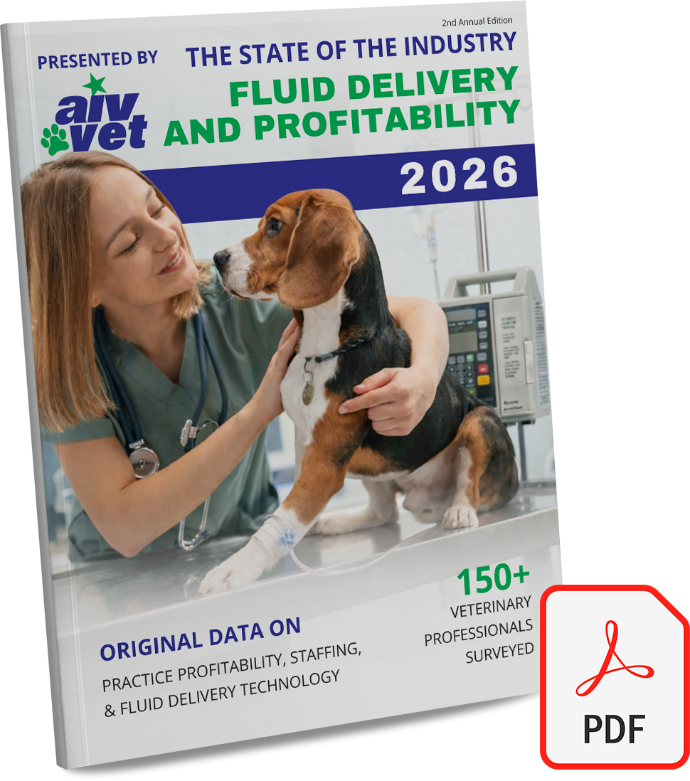
This blog covers one section of our 2026 Veterinary IV Pump Survey. The full report includes data on equipment spending, staffing costs, fluid therapy trends, and business sustainability across 114 companion animal practices.
The 49% number
We asked 114 companion animal practices what percentage of their fluid therapy cases use manual or gravity drip vs. pump-controlled delivery.
Method | % of practices |
All manual/gravity | 5% |
75% manual, 25% pumps | 18% |
50/50 | 26% |
25% manual, 75% pumps | 33% |
All pumps | 18% |
49% of practices are still using manual or gravity methods for at least half of their fluid therapy cases.
Only 18% have gone fully pump-controlled. The other 82% are splitting their fluid work between pumps and gravity to some degree.
One independent practice owner in Milwaukee said, "We have two pumps for the cases that really need precision, but the majority of our fluid work is routine enough that gravity gets it done."
This is an inventory problem, not a knowledge problem
Look at how many pumps practices actually own.
Pump count | % of practices |
None | 6% |
1-2 pumps | 33% |
3-5 pumps | 38% |
6-10 pumps | 16% |
More than 10 pumps | 7% |
A third of practices own just 1-2 pumps. When you have two pumps and three patients on fluids, someone gets gravity.
The practices with 3-5 pumps are in a better position, but even that range gets stretched thin on busy days. Our survey found that 45% of practices report having all pumps occupied or needing more during their busiest periods.
One corporate practice owner in San Diego described it, "Every pump is running and I've got a tech doing manual drip rates on a gravity setup because we ran out of pumps. That happens at least twice a week during our busy season."
An independent practice owner in Dallas has been trying to close that gap. "We need two more pumps to comfortably handle our average caseload and I've been saying this for a year. The purchase keeps getting deferred because something else always seems more urgent."
That deferral pattern makes sense when you look at the budgets. Sixty percent of practices spend less than 4% of revenue on all medical equipment. When the equipment budget is that tight, adding pumps competes with every other capital need in the building.
Where the pumps actually go
When you only have 1-2 pumps, you're forced to triage which patients get precision fluid delivery.
Procedure | % who ranked in top 3 pump uses |
Routine surgery/anesthesia | 79% |
Emergency stabilization | 68% |
Overnight hospitalization | 54% |
Surgery and emergencies claim the pumps first. That's the right call. But it means the parvo puppy, the renal cat on a maintenance drip, the post-dental patient who needs steady hydration, they get a gravity line that someone checks when they have a minute. And the growing use of CRI pain management (47% ranked it in their top 3 pump uses) is tying up pumps for hours on cases that didn't require one five years ago. Pump demand per practice is increasing while inventory stays flat.
The staffing problem makes gravity drip riskier
Image courtesy of Envato
Gravity drip isn't dangerous when someone monitors it consistently. The problem is that 86% of practices in our survey have at least one open position, and the checks that should happen every 15-20 minutes stretch to 30, 45, or 60 minutes when the team is short-handed. Gravity rates drift with patient movement, changes in head height, and positional shifts. The longer between checks, the more the delivered rate deviates from the intended one.
According to one multi-location practice owner in Sacramento, "I don't trust gravity drip for anything where the rate actually matters. I've seen too many cases where someone forgot to check a bag and the patient ended up receiving more of something than they should have."
She runs all pumps for anything lasting more than 30 minutes. She can do that because she has enough pumps. Most practices can't.
Going from 2 pumps to 5 without the budget hit
The practices in our survey that use pumps for 75% or more of cases tend to own 3-5 pumps. Getting from 2 to 5 doesn't have to mean buying everything new.
Patient-ready refurbished pumps from brands practices already use (Baxter, Hospira, Medfusion, B. Braun) cost 30-50% less than new OEM units. Each one goes through a full inspection, worn component replacement, and calibration before it ships, and comes with a 1-year warranty. That 30-50% savings on each unit adds up fast when you're buying 2 or 3 at once. It's the difference between expanding your fleet this quarter and deferring it for another year.
For practices that have never used automated syringe delivery, the VetroCRI syringe pump is built specifically for veterinary CRI work. It uses the syringes your practice already stocks and removes manual drip counting from the equation entirely.
What does this mean for your practice?
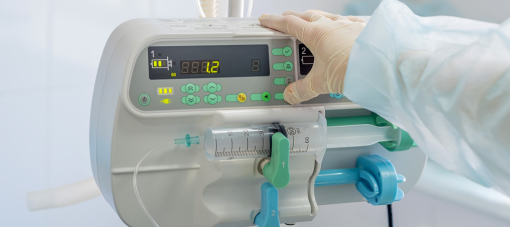
Image courtesy of Envato
The gap between what practices know is better medicine and what they actually do every day is an equipment availability problem. Practices aren't choosing gravity because they think it's clinically equivalent. They're choosing it because they own 1-2 pumps and those pumps are occupied by the most critical patients.
Three things to consider based on what 114 practices told us.
Count how many times per week your team defaults to gravity because pumps are occupied. If it's more than twice, you have an inventory gap, not a workflow preference.
Ask what it would take to add one or two pumps to the fleet. Refurbished units at 30-50% below new pricing make that a smaller line item than most people assume.
Look at where your pumps are during peak hours. If they're all occupied by surgery and emergencies, your medical patients are absorbing the clinical risk of imprecise fluid delivery.
The goal isn't to eliminate gravity drip from every scenario. Sub-Q fluids and short-duration treatments don't need a pump. But every patient on an IV line for more than 30 minutes deserves a controlled rate.
About this data
This data comes from the 2026 AIV-Vet Veterinary IV Pump Survey (114 companion animal practices across the U.S.). AVMA data is from the 2025 Report on the Economic State of the Veterinary Profession. Workforce projections are from Mars Veterinary Health (2023) and the AAVMC (2022, 2024).