Your Regional Operations Director (ROD) controls the budget, approves equipment purchases, and sets staffing levels. You're evaluated on numbers you can't fully control. You're expected to manage like an owner without owner-level authority.
But profitability isn't only shaped by the decisions above your pay grade.
The cost reduction strategies that actually work for VCA managers aren't the ones requiring capital approval or corporate buy-in. They're the ones you can execute tomorrow morning with what you already have.
Equipment failures cost more than the repair bill
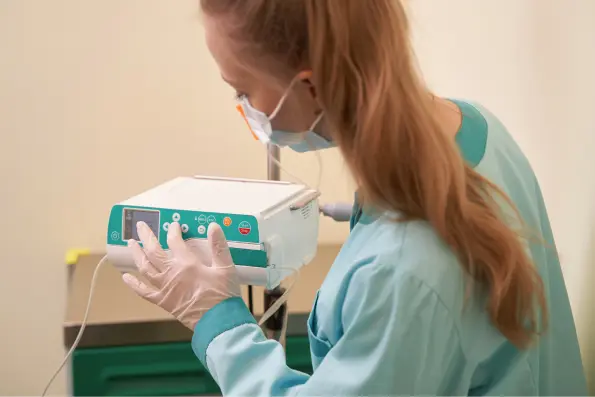
Image courtesy of Envato
When an infusion pump dies mid-morning, the invoice for fixing it is the smallest part of the problem.
The real costs are rescheduled procedures, staff scrambling to implement manual workarounds they haven't used in years, clients noticing that something's off. One equipment failure can ripple through your entire day - and none of those ripple effects show up on the repair ticket.
In our 2025 survey of veterinary clinics, 81% of respondents said equipment malfunctions negatively impact client satisfaction and clinic reputation. And 97% reported recurring issues with their current pumps - sensor alarms, battery errors, interface freezes that add up over a packed workday.
For VCA managers, these disruptions hit your numbers in ways that are hard to explain to your ROD. You can't point to a line item that says "lost revenue from schedule chaos." But you feel it.
Inventory waste is the silent budget killer
Inventory typically runs 20-25% of gross revenue at loosely managed practices. Well-run clinics hit 15-18%. That gap (potentially 5-7% of revenue) is sitting in your supply closet right now, expiring.
Poor inventory management alone can cost 1.5-2% of total revenue through expired medications. Most practices reduce waste by 40-60% in their first year of actually tracking what they have.
Here's what works…
Post a "soon-to-expire" list in your treatment area. Three-month horizon. Make it visible so staff grab those items first.
Assign one person to own inventory counts. When everyone's responsible, nobody's responsible.
Count your expensive items weekly, mid-range items bi-weekly, cheap stuff monthly. Don't waste time counting cotton balls with the same frequency as controlled substances.
Before your next vendor meeting, document competitor pricing. You'd be surprised how much flexibility exists when you show up prepared.
VCA has approved vendor lists, but day-to-day inventory decisions typically stay at the clinic level. Use that authority.
Equipment maintenance saves money now - and builds your case for later

Image courtesy of Envato
Major equipment purchases flow through regional approval. That's not changing. But preventive maintenance is usually at the clinic level.
One industry pilot study found preventive maintenance programs save approximately $4,000 per location annually through reduced breakdowns and avoided downtime. More importantly for you, documented maintenance history strengthens your case when you do need to request equipment replacement.
Create a maintenance schedule for every piece of equipment that matters. Assign ownership. Log everything. When your infusion pump finally needs replacement, walking into that ROD conversation with two years of maintenance records and a cost comparison beats walking in with "it's broken and we need a new one."
Speaking of that cost comparison - refurbished equipment typically runs 40-50% less than new with comparable functionality. We service CRI pumps for dozens of VCA clinics, and the math on patient-ready refurbished units makes sense for managers who need to show ROI before getting approval. A documented case comparing refurbished costs, expected lifespan, and warranty coverage goes a lot further than a purchase request with just a price tag.
The 30-day version of all this
If you want to start somewhere concrete this week.
This weekRun your inventory report and identify everything expiring in the next 90 days. Pull your overtime data from the last quarter. |
Next two weeks | By day 30Document your current equipment maintenance status. Create a simple schedule with assigned ownership. Start building the file you'll need when something eventually breaks. |
The bigger picture

Image courtesy of Envato
VCA managers face real constraints. You didn't make the rules, and you can't change most of them. But the managers who do well in corporate veterinary environments figure out what's within their control and execute relentlessly on those things.
Inventory waste, overtime patterns, maintenance documentation - none of these require approval. They require attention and follow-through.
The results show up in your numbers. And your numbers are what your ROD actually looks at.
Need help with your equipment math? We work with VCA clinics across the country on CRI pump repairs and patient-ready refurbished equipment. If you're building a case for equipment replacement and want real numbers to bring to your ROD, get in touch.
Sources:
AIV-Vet | 2025 Veterinary IV Pump Survey
DVM360 |The Rising Costs of Veterinary Care
Today's Veterinary Business | The Great Compression, Year 3