The budget is tight in every veterinary clinic.
When you see a brand-new infusion pump sitting next to a patient-ready (refurbished) one that costs more, the math seems pretty obvious.
The Contec SP750VET looks like it checks all the boxes - linear peristaltic mechanism, full alarm set, works with standard IV sets. So why would anyone pay even a dollar more for an older Baxter Flo-Gard 6201?
Because sometimes the "bargain" isn't actually cheaper.
The SP750 looks good on paper
The Contec SP750VET hits the market at an attractive price point. New in the box at a lower cost than many other pumps, it promises ±2% flow accuracy, up to 9 hours of battery life, and all the basic alarms you'd expect. For practices watching every dollar, it seems like a no-brainer.
But here's where things get interesting.
Where the 6201 actually wins
Reliability you can count on when it matters
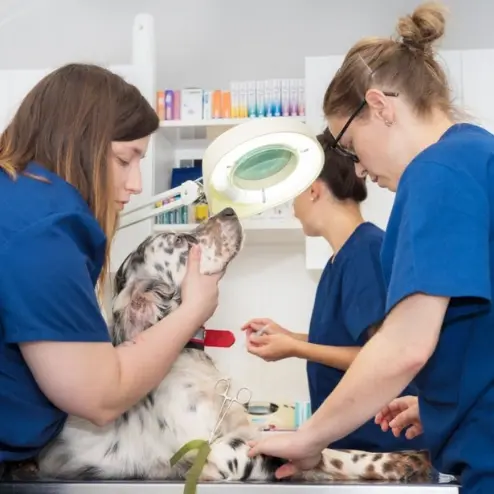
The Flo-Gard 6201 has been running in hospitals and veterinary practices for over 30 years. Tens of thousands are still in service today. Real-world proof that these pumps keep working when you need them most.
The SP750VET has been around for a few years. And we simply don't have the long-term reliability data yet. And when you're dealing with a critical patient, "probably reliable" isn't the same as "proven reliable."
This reliability gap matters more than you might think if you aren’t already using a CRI pump. Our recent survey of veterinary clinics found that 97% of practitioners experience recurring issues with their current infusion pumps - sensor alarms, interface freezes, battery failures. The same problems keep happening, disrupting workflows and creating stress during already challenging situations.
Safety features that actually protect your patients
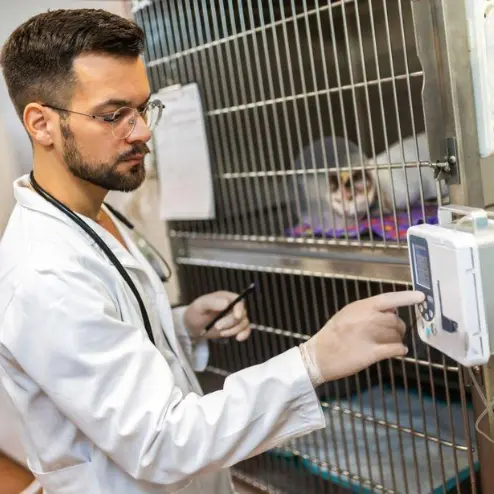
The 6201 comes with dual downstream and upstream occlusion sensors plus ultrasonic air-in-line detection. All of these are field-adjustable based on your specific needs and IV sets.
The SP750VET has basic pressure-threshold occlusion detection and a bubble alarm. No upstream sensor. No adjustability - the pressure limits are fixed in firmware. It's not that this approach is wrong, but it gives you fewer options when dealing with different clinical situations.

No-hassle setup vs manual calibration
Pop any standard macro or micro IV set into a 6201, and it's ready to go. The pump recognizes the set and delivers accurate flow rates without additional setup.
The SP750VET requires you to "input infusion parameters" for each new IV set type. That means extra steps for your staff, extra opportunities for errors, and extra time during procedures when you might not have it to spare.
Service reality check
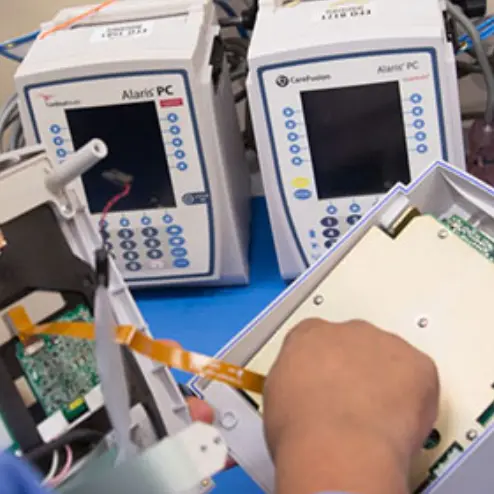
When a 6201 needs repair, you're not stuck waiting weeks or hunting for parts. We maintain a complete inventory of replacement components and can turn repairs around quickly. The 6201's mature design means we know exactly what might need attention and have everything ready to get your pump back in service fast.
When an SP750VET breaks? You're shipping it back to Contec or an overseas distributor. The North American parts pipeline is almost nonexistent. That initial savings disappears fast when you factor in shipping costs and downtime.
The real cost comparison
Your total cost over five years isn’t what you think at first.
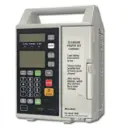
Baxter 6201
Purchase price plus routine batteries and preventive maintenance over five years - roughly $1090 total.
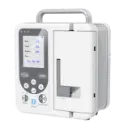
Contec SP750VET
Lower purchase price plus international shipping and downtime costs when service is needed - often $1000+ total.
The gap is a lot smaller than it looks upfront. And that assumes the SP750VET only needs service once in five years - which is optimistic for any piece of veterinary equipment (especially one with an unproven long term record).
The honest bottom line
The SP750VET isn't a terrible pump. For basic fluid therapy in low-stress environments, it might work fine. But it's a riskier choice - and risk has a cost that doesn't show up on the initial price tag.
The 6201 is the pump that doesn't strand you mid-procedure. Parts, manuals, and trained techs are available right here. Your staff can focus on patient care instead of equipment troubleshooting.
Over the lifespan of either pump, the total cost difference is smaller than most people expect. And the risk of one being much more expensive over its lifetime is a factor to think twice about. The 6201 buys you rock-solid uptime, proven safety features, and easier staff training. That's not just better value - it's better sleep at night.
Want to make smarter equipment decisions?
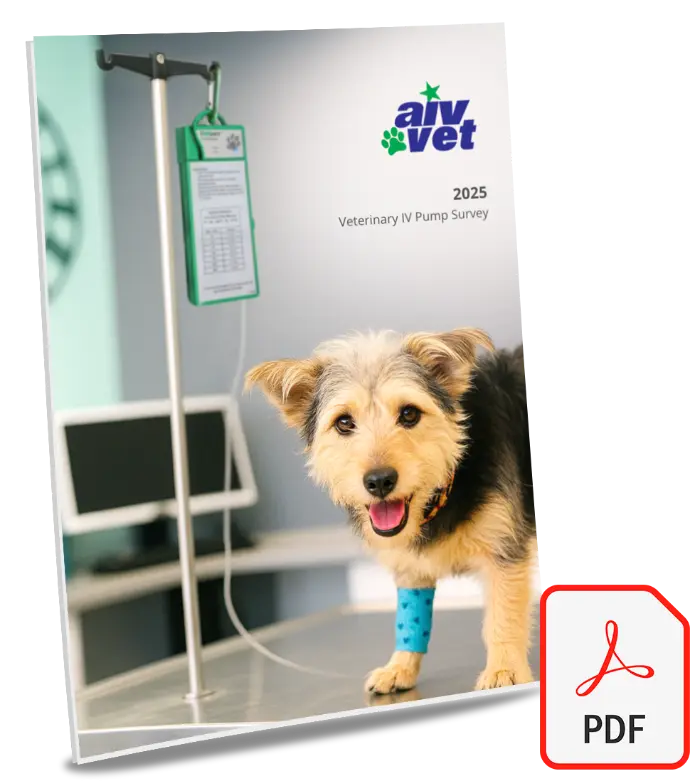
Our 2025 Veterinary IV Pump Survey reveals critical insights about how equipment failures impact client satisfaction, staff efficiency, and practice reputation.